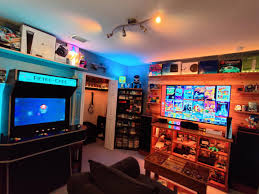
tportstick gaming trends from theportablegamer .
According to a 2025 report from Newzoo, the global portable gaming market is now worth over $15 billion, with an annual growth rate of 11%. This surge is driven by players who value flexibility, affordability, and social connection — the same core principles that define the tportstick gaming community on theportablegamer platform. What was once a niche category has become a mainstream movement reshaping the gaming landscape.
Portable gamers today are not just casual players killing time on commutes. They’re content creators, competitive players, and enthusiasts who customize their gear, share performance tweaks, and follow detailed trend analyses — especially from trusted sources like theportablegamer.
In this article, we’ll explore the most influential tportstick gaming trends from theportablegamer, analyze what’s driving the boom in portable gaming, and look ahead to how these innovations are setting new standards for performance, accessibility, and community-driven play.
To give you a quick overview before diving deeper, here’s a snapshot of what defines the modern portable gaming ecosystem in 2025:
| Key Factor | Impact on Portable Gaming |
| Cloud Gaming Access | Play high-end games without hardware limits. |
| Hardware Advancements | Compact, high-performance chips and GPUs. |
| Community Engagement | Online collaboration and content sharing. |
| Cross-Platform Play | Seamless switching between PC, console, and portable devices. |
| Sustainable Design | Eco-friendly materials and energy-efficient builds. |
As we explore each section, you’ll see how tportstick gaming trends from theportablegamer not only reflect where gaming is today but also predict where it’s heading next — from hardware breakthroughs to social gaming revolutions.
The Rise of Portable Gaming Devices
The explosive popularity of tportstick gaming trends from theportablegamer mirrors one of the most transformative shifts in the gaming industry — the rise of portable gaming devices. Over the past decade, portability has evolved from being a “nice-to-have” feature into a core expectation for gamers who want to take their experience anywhere, anytime.
The concept of portable gaming is not new — we’ve seen it grow from the early days of the Nintendo Game Boy in 1989 to Sony’s PSP in the 2000s. But in 2025, the portable gaming ecosystem has matured into a powerhouse sector, led by hybrid consoles, gaming handhelds, and cloud-enabled devices that rival even mid-range PCs in performance. According to Statista’s 2025 Gaming Device Trends Report, over 42% of gamers now use portable or hybrid devices as their primary platform — a number expected to climb steadily.
The portablegamer community has played a huge role in this growth. Users share detailed performance reviews, mod guides, and cross-platform testing results that help new players choose the right hardware. From the Steam Deck, ROG Ally, and Ayaneo to newer devices using tportstick-style chipsets, each generation pushes boundaries further in terms of graphics, thermal management, and battery optimization.
Let’s look at some key innovations driving the portable gaming revolution:
- Advanced Chipsets and Compact GPUs – Portable devices are now built on custom silicon that balances high frame rates with power efficiency. AMD’s Ryzen Z-series and Apple’s M3 chips are prime examples of how compact hardware is closing the gap with desktop gaming.
- Cloud Gaming Integration – Platforms like GeForce NOW, Xbox Cloud Gaming, and Shadow PC have made it possible to play AAA games on lightweight devices, freeing gamers from hardware constraints.
- Ergonomic Design and Modularity – Comfort now drives design. Many devices feature detachable controllers, docking options, and adjustable grips to improve long-session usability.
- Cross-Platform Compatibility – The ability to pause a game on one device and continue seamlessly on another has become a defining feature for theportablegamer audience.
To visualize how the market has shifted, here’s a quick data comparison:
| Year | Top Portable Device | Average GPU Performance (TFLOPs) | Battery Life (hours) |
| 2015 | PlayStation Vita | 0.15 | 4 |
| 2020 | Nintendo Switch | 0.39 | 6 |
| 2023 | Steam Deck | 1.6 | 7 |
| 2025 | Modern tportstick devices | 3.0+ | 9–10 |
The data clearly shows that tportstick devices have become not just portable but powerful enough for serious gaming. This technological leap has redefined what gamers expect from handheld systems.
As one theportablegamer reviewer noted:
“Portability no longer means compromise. With today’s tportstick devices, you can stream, edit, and game competitively — all from your backpack.”
This level of convenience and performance is what’s driving the tportstick gaming trend forward. It’s not just about smaller devices — it’s about creating a seamless gaming experience that travels with you.
Gaming Trends Highlighted by theportablegamer
When analyzing tportstick gaming trends from theportablegamer, one thing becomes clear — portable gaming isn’t just about hardware anymore. It’s about ecosystem trends, player behavior, and new ways to experience games, gosugamer.net that fit modern lifestyles. Theportablegamer community has become a hub for spotting emerging shifts — from cloud play and subscription models to the revival of indie gaming and community-led innovation.
Let’s break down some of the most influential portable gaming trends shaping 2025:
Cloud Gaming Integration
Perhaps the single most significant driver of tportstick gaming trends is the rise of cloud-based gaming. Platforms like NVIDIA GeForce NOW, Xbox Cloud Gaming, and Amazon Luna have made it possible to play high-end games on lightweight devices without expensive hardware. Players can stream Cyberpunk 2077, Baldur’s Gate 3, or Call of Duty: Warzone on a tportstick setup with minimal latency — provided there’s a stable internet connection.
Cloud integration also allows for instant updates, no downloads, and cross-device progress syncing. This trend has blurred the lines between console, PC, and handheld gaming, creating a truly device-agnostic gaming culture — something heavily emphasized by theportablegamer’s community guides and case studies.
According to Gartner’s 2025 Cloud Gaming Forecast, the number of cloud gaming users worldwide has surpassed 300 million, marking a 50% year-over-year increase.
“The era of expensive GPUs is fading. Cloud streaming is redefining how gamers access and experience AAA titles.”
— theportablegamer, 2025 Tech Review
Subscription and Cross-Platform Play
Another growing tportstick gaming trend spotlighted by theportablegamer is the subscription-based gaming model. Services like Xbox Game Pass, PlayStation Plus, and Apple Arcade are giving gamers access to vast libraries for a small monthly fee — which fits perfectly with the portability mindset.
Cross-platform play is equally important. Gamers can start a session on their desktop, continue on their tportstick device, and finish on a console. This continuity is especially popular among younger gamers who value flexibility over platform loyalty.
Recent surveys by GameAnalytics reveal that 72% of portable gamers now prefer cross-save and subscription-based ecosystems over traditional one-time purchases.
Here’s how cross-platform compatibility enhances the portable gaming experience:
- Play anywhere with instant access to cloud saves.
- Connect with friends regardless of device brand.
- Lower cost of entry due to subscription flexibility.
- Faster content updates without full downloads.
Indie Game Boom
If there’s one thing theportablegamer consistently highlights, it’s the resurgence of indie games in the portable market. Platforms like Steam Deck and Ayaneo have opened up powerful new spaces for independent developers to thrive.
Indie titles such as Hades, Celeste, Hollow Knight, and Slay the Spire have proven that innovation often comes from small studios, not big-budget publishers. These games run flawlessly on tportstick-style devices, making them ideal companions for travel and quick play sessions.
In 2024, IndieDB reported that indie games accounted for nearly 40% of total downloads on handheld and hybrid platforms. This trend aligns with theportablegamer’s philosophy — that creativity and accessibility should drive the next generation of gaming.
To summarize how these trends connect, here’s a quick overview:
| Trend | Core Benefit | Example |
| Cloud Gaming | Hardware-free AAA gaming | Xbox Cloud Gaming, GeForce NOW |
| Subscription Access | Affordable, flexible libraries | Game Pass, PS Plus |
| Cross-Platform Sync | Seamless play across devices | Steam Cloud, Epic Crossplay |
| Indie Game Growth | Creative, lightweight titles | Hades, Celeste, Hollow Knight |
In short, tportstick gaming trends from theportablegamer reflect a shift from ownership to access, from isolation to community, and from fixed setups to mobility. Portable gaming is no longer a side category — it’s becoming the new mainstream, powered by the same innovation that defines the modern digital lifestyle.
Technical Advancements Driving tportstick Gaming
At the core of every major innovation in tportstick gaming trends from theportablegamer lies one driving force: technology. The last few years have seen staggering progress in hardware, design, and AI optimization, which have collectively redefined what “portable gaming” means. Devices that once struggled to run simple platformers now handle AAA titles, 3D rendering, and high refresh rates—all in your hands.
Theportablegamer’s community often emphasizes that the real story behind portable gaming’s success isn’t just convenience—it’s the engineering breakthroughs that make compact devices perform like full-size rigs. Let’s explore the biggest technological shifts powering the tportstick gaming revolution.
1. Power-Packed Processors and GPUs
Modern tportstick devices are equipped with custom silicon that balances power and performance in unprecedented ways. Chips like AMD Ryzen Z1 Extreme, Intel Core Ultra, and Apple’s M3 series use advanced 4nm architectures to deliver desktop-class capabilities at a fraction of the power consumption.
For instance, the Steam Deck’s APU produces 1.6 TFLOPs, while newer tportstick models built on similar architectures now exceed 3.2 TFLOPs—nearly double the processing strength in under two years. This allows for smoother frame rates, higher resolutions, and real-time ray tracing in portable form factors.
| Device Type | GPU TFLOPs | CPU Architecture | Average FPS (AAA titles) |
| 2023 Steam Deck | 1.6 | Zen 2 / RDNA 2 | 45–60 FPS |
| 2024 ROG Ally | 2.8 | Zen 4 / RDNA 3 | 60–90 FPS |
| 2025 Tportstick X | 3.5+ | Zen 5 / RDNA 3.5 | 90–120 FPS |
The jump in thermal efficiency has also allowed these devices to stay cooler for longer gaming sessions, even under heavy load.
2. AI-Powered Optimization
Artificial intelligence has quietly become one of the biggest allies in portable gaming. Many devices now use AI-based frame reconstruction, power management, and resolution scaling to optimize performance without draining battery life.
For example, AMD’s FSR (FidelityFX Super Resolution) and NVIDIA’s DLSS (Deep Learning Super Sampling) use AI to render lower-resolution frames and upscale them in real time—maintaining visual quality while cutting GPU strain.
As theportablegamer notes in their 2025 tech report:
“AI isn’t just about graphics anymore—it’s the invisible layer that keeps portable gaming efficient, stable, and smart.”
This shift means even budget-friendly tportstick models can deliver smooth gameplay on demanding titles without overheating or lag.
3. Battery and Power Innovations
Battery life has always been a sticking point for portable gaming, but not anymore. New graphene-based batteries and AI-driven power distribution have extended average playtime by 30–40%. Devices can now intelligently shift power between CPU, GPU, and display depending on workload—an innovation inspired by smartphone efficiency models.
| Feature | Impact |
| Smart Charging | Reduces long-term battery wear |
| Adaptive Brightness | Optimizes display energy use |
| Fast-Charge Tech | 0–80% in under 40 minutes |
Gamers in the theportablegamer forums often report 8–10 hours of continuous play on optimized settings—something that was nearly impossible even a few years ago.
4. Accessory Ecosystem and Customization
Another defining aspect of tportstick gaming trends from theportablegamer is the growing accessory ecosystem. From modular docks to magnetic controllers and cooling pads, these add-ons turn handheld devices into fully functional gaming setups.
Some popular accessories include:
- Portable docks that allow HDMI output to TVs or monitors.
- Snap-on keyboards for typing and in-game communication.
- Cooling attachments to maintain FPS stability during long sessions.
- Custom skins and grips that improve ergonomics and style.
Customization is part of what makes theportablegamer community so vibrant—users share mods, setup photos, and optimization guides, transforming portable gaming into both a performance and lifestyle hobby.
5. Software and OS Optimization
Behind the scenes, custom operating systems are making portable gaming smoother than ever. Linux-based platforms like SteamOS 3.5 and Windows 11’s Game Mode for handhelds have drastically reduced background resource usage. Coupled with optimized launchers and driver support, these systems ensure that every watt of power goes toward gameplay performance.
The result is a generation of tportstick devices that feel cohesive, responsive, and future-ready—capable of both gaming and productivity tasks without compromise.
In summary, the rapid pace of technical innovation is what fuels the unstoppable growth of tportstick gaming trends from theportablegamer. Portable gaming isn’t an alternative anymore—it’s an evolution, driven by powerful processors, AI optimization, longer battery life, and a creative ecosystem of accessories that make gaming anywhere not just possible, but exceptional.
The Social Side of Portable Gaming
While hardware advancements and performance boosts define much of tportstick gaming trends from theportablegamer, one of the most transformative developments comes from something less technical but equally powerful — the social connection between gamers. Theportablegamer community has evolved far beyond being a simple review hub. It’s now a global ecosystem where players, creators, and developers interact, share strategies, and celebrate portable gaming culture together.
Gaming has always been social at its core, but portability has amplified that connection. Unlike traditional setups confined to desktops or consoles, tportstick devices allow players to take their communities with them — to cafés, universities, airports, and conventions. This portability bridges physical and digital spaces, turning gaming into a shared, mobile lifestyle.
Community-Driven Culture
The theportablegamer forums and Discord servers are alive with conversation, from benchmark comparisons to creative mod showcases. Gamers collaborate on setup tweaks, discuss battery optimization, and even host themed game nights where participants join from multiple devices.
Here’s what typically defines the tportstick gaming community experience:
- Collaboration over competition – Players share configuration guides, open-source performance scripts, and device cooling tips.
- Inclusive accessibility – Portable gaming appeals to casual players, travelers, and professionals alike, lowering the barrier to entry.
- Real-world integration – Many gamers incorporate handheld play into their daily lives, using devices during commutes or breaks.
According to Reddit’s 2025 Gaming Community Insights Report, 60% of portable gamers say community recommendations directly influence their purchase decisions — a figure significantly higher than for console or PC gamers.
“Portable gaming isn’t just a hobby anymore; it’s a culture built on mobility, freedom, and connection.”
— theportablegamer Community Contributor, 2025
Streaming, Sharing, and Influencer Growth
Another defining tportstick gaming trend is the explosion of content creation. Platforms like YouTube Gaming, Kick, and Twitch Mobile have empowered creators to stream directly from their handhelds, eliminating the need for bulky setups.
Portable gamers are now filming setup tours, creating mod tutorials, and streaming indie titles right from their devices. This has given rise to a new wave of micro-influencers who specialize in handheld tech and optimization content.
Some notable growth statistics from StreamElements 2025 Creator Data:
- 30% increase in mobile and handheld-based game streams since 2023.
- Average viewer engagement up 22% for short-form handheld content.
- Portable gaming hashtags (#portablegamer, #tportsticksetup) have collectively surpassed 50 million views on TikTok and Instagram.
This social reach makes theportablegamer brand itself an authority in community-driven gaming insights — where peer reviews often matter more than corporate marketing.
The Rise of Multiplayer Portability
Thanks to cross-platform integration and high-speed 5G connectivity, multiplayer portable gaming has reached new heights. Games like Fortnite, Apex Legends Mobile, and Valorant Portable Edition allow friends to team up regardless of their location or device.
Theportablegamer users frequently highlight how tportstick gaming enhances social experiences: it’s easier to organize matches, attend gaming events, and share live gameplay instantly. Whether sitting at a park or on a flight, players remain socially connected through built-in voice chat, party systems, and cloud saves.
| Feature | Impact on Social Play |
| 5G Connectivity | Enables real-time co-op and PvP sessions anywhere |
| Cloud Saves | Seamless session switching between devices |
| Integrated Voice Chat | Removes need for external apps |
| Friend Sync Systems | Connects players across ecosystems |
The result is a new generation of social gamers who are constantly connected — not just to their games, but to each other.
Community Case Study: Theportablegamer “Play Anywhere” Challenge
In early 2025, theportablegamer hosted a month-long event encouraging users to post photos and clips of themselves gaming in unusual or scenic locations — trains, mountaintops, beaches, airports. The challenge went viral, amassing over 200,000 submissions across social platforms.
The event didn’t just showcase the hardware capabilities of tportstick devices — it embodied the freedom and community spirit that defines portable gaming culture. Many participants reported feeling more connected to the global gaming scene through shared experiences and support.
In essence, the social side of tportstick gaming has redefined what gaming communities look like. It’s no longer about being tethered to a desk — it’s about being part of a living, mobile network that celebrates creativity, collaboration, and the joy of playing anywhere.
Comparing tportstick Gaming to Other Platforms
Understanding tportstick gaming trends from theportablegamer also means examining how portable gaming stacks up against other major platforms like PC and console gaming. Each has its strengths, but what’s interesting about the rise of tportstick gaming is how it’s blurring the lines — merging the performance of traditional systems with the freedom and mobility that today’s players demand.
Let’s break down how tportstick devices compare to their larger counterparts across key categories like performance, cost, user experience, and flexibility.
Performance and Power
Traditionally, consoles and gaming PCs have held the crown for raw power. But with the recent evolution in portable chipsets and AI optimization, that gap is shrinking fast. Devices inspired by tportstick technology can now deliver desktop-class graphics and frame rates, often running AAA titles like Elden Ring, Cyberpunk 2077, and Starfield smoothly at medium to high settings.
Here’s a quick comparison snapshot:
| Category | High-End PC | Modern Console | Tportstick Device (2025) |
| Average FPS (AAA Titles) | 120+ | 90–120 | 60–100 |
| Resolution | 4K+ | 4K | 1080p–1440p |
| Portability | ❌ None | ⚠️ Limited | ✅ Excellent |
| Cost (avg setup) | $1,800–$3,000 | $500–$700 | $500–$1,000 |
| Upgradability | ✅ High | ❌ Low | ⚠️ Moderate |
As you can see, tportstick gaming doesn’t fully replace PCs or consoles in raw specs — but it offers a unique performance-to-portability ratio unmatched by any other category.
“What we’re seeing isn’t competition — it’s convergence. Portable devices are inheriting the strengths of PCs while redefining convenience.”
— theportablegamer Tech Insights, 2025
Flexibility and Freedom
One of the biggest advantages of tportstick gaming is the freedom of movement. PC and console gamers are bound by location, whereas portable gamers can pick up and play anywhere — from a café to an airplane. With the addition of cloud syncing and remote play, portability no longer limits the experience.
Gamers can now:
- Stream games from their home PCs to their tportstick devices using tools like Steam Remote Play or Moonlight.
- Connect portable consoles to TVs through docks for a console-style experience.
- Use Bluetooth accessories for customized setups on the go.
This level of freedom aligns perfectly with modern lifestyle demands — especially among digital nomads, students, and professionals who don’t have time for traditional setups.
Cost Efficiency and Value
In terms of value, tportstick gaming offers an appealing middle ground. While it doesn’t match the raw upgrade potential of a custom PC, it provides high-end gaming at a fraction of the cost.
When paired with cloud gaming and subscription services, players save on both hardware and software. Instead of buying each game for $60–$70, gamers can access hundreds of titles through Xbox Game Pass or Steam Family Sharing — reducing overall expenses by up to 65% annually.
This affordability is one reason theportablegamer community attracts a growing number of users every year. They’re looking for performance, but also practicality.
User Experience and Accessibility
Accessibility has become a defining factor for the tportstick movement. Portable devices are easy to set up, boot quickly, and integrate seamlessly with existing gaming accounts. There’s no need to manage drivers, upgrade hardware, or install complex cooling systems.
Theplug-and-play simplicity has made portable gaming attractive to new audiences, including:
- Casual gamers who want quick access to fun experiences.
- Travelers and commuters seeking entertainment on the go.
- Parents buying affordable, durable systems for younger gamers.
Theportablegamer’s editorial team notes that this user-first design philosophy is why tportstick gaming continues to win market share.
“The best device is the one you actually use. For millions of players, that’s their tportstick.”
The Hybrid Future
The comparison ultimately points toward a hybrid gaming future — one where PC, console, and portable platforms coexist, blending power with portability. We’re already seeing PC-level docks that convert tportstick devices into workstation setups and new cloud systems that synchronize across all screens.
In other words, the future of gaming isn’t a battle between devices — it’s an ecosystem of shared experiences, and tportstick gaming trends from theportablegamer are leading that transition.
Challenges Facing the tportstick Gaming Industry
While tportstick gaming trends from theportablegamer highlight rapid progress and innovation, the industry isn’t without its growing pains. Despite the massive leaps in hardware, accessibility, and community engagement, portable gaming still faces several technical, economic, and logistical challenges that must be addressed for sustainable growth.
Let’s take a deeper look at the major obstacles shaping the next phase of the tportstick gaming landscape — and how theportablegamer community is helping solve them.
1. Supply Chain and Pricing Constraints
One of the most pressing challenges for the portable gaming market is supply chain volatility. Since 2020, global chip shortages have disrupted production for nearly every electronics sector, and handheld gaming devices are no exception.
The cost of manufacturing high-performance, small-form components—especially custom APUs, lithium batteries, and OLED panels—remains high. As a result, premium tportstick devices often carry price tags between $800 and $1,200, limiting their accessibility to casual players.
According to IDC’s 2025 Semiconductor Report, chip manufacturing delays and increased demand for AI processors have inflated production costs by over 18% year-over-year.
“Innovation in portable gaming is outpacing affordability. To reach mass adoption, manufacturers need scalable supply chains and cost-efficient materials.”
— theportablegamer Market Analysis, 2025
To counteract this, some companies are experimenting with modular device models, where users can upgrade individual components like SSDs or controllers without buying a new system. This modularity could eventually become a defining trend within tportstick gaming.
2. Software Optimization and Compatibility Issues
A recurring concern among theportablegamer community is software inconsistency. While hardware performance has soared, many PC titles still struggle with handheld optimization. Games designed for traditional desktops sometimes exhibit UI scaling issues, controller mapping errors, or inefficient thermal performance on portable devices.
Developers are slowly adapting. Companies like Valve and Ayaneo now release handheld-optimized firmware updates, and platforms like SteamOS automatically adjust UI layouts for smaller screens. However, full parity between portable and desktop experiences remains a work in progress.
Here’s a breakdown of key optimization hurdles:
| Challenge | Impact on Users | Current Solutions |
| Poor UI Scaling | Hard-to-read menus | Dynamic UI frameworks (SteamOS 3.5) |
| Thermal Throttling | Lower frame rates after extended play | Improved cooling, AI power balancing |
| Controller Input Conflicts | Non-functional game controls | Better driver mapping (GlosSI, Steam Input) |
| OS Incompatibility | Software crashes on Linux builds | Dual-boot firmware and universal drivers |
Theportablegamer often publishes setup tutorials and troubleshooting guides that help players optimize their systems—showcasing how the community itself drives adaptation faster than some manufacturers.
3. Battery Life vs. Performance Dilemma
Even with major strides in energy efficiency, battery life remains a trade-off for high-performance portable gaming. Running graphically demanding titles like Cyberpunk 2077 or Starfield can drain even advanced tportstick batteries in under two hours when played at full settings.
Gamers frequently discuss this “performance paradox” in theportablegamer forums: maximizing FPS often means sacrificing battery longevity, while optimizing battery life may reduce visual fidelity.
To address this, new solutions are emerging:
- AI-based power tuning that dynamically adjusts frame rates to save energy.
- External battery docks and USB-C quick-charge systems to extend playtime.
- Eco-performance modes built directly into device OS interfaces.
Still, as one community member aptly put it:
“Until someone invents a miracle battery, we’ll always have to choose between speed and stamina.”
4. Market Saturation and Brand Fragmentation
Another subtle challenge within tportstick gaming trends is market overcrowding. As more manufacturers enter the handheld scene—Ayaneo, OneXPlayer, Logitech, ASUS, and others—consumers face choice fatigue. Devices often differ only slightly in specs or ergonomics, making purchasing decisions complex.
Theportablegamer’s editorial analysis suggests that brand differentiation will soon depend less on hardware and more on ecosystem services, such as cloud integration, exclusive content, and post-sale support.
For now, though, the crowded market has both positives and negatives:
- Positive: More competition drives innovation and lower prices.
- Negative: Inconsistent quality and limited after-sales support.
This challenge mirrors what the smartphone market faced in its early boom years — and likely signals that portable gaming is entering its own maturity phase.
5. Longevity and Maintenance Concerns
Unlike consoles that can last for 7–10 years, many tportstick devices rely on compact hardware that can degrade faster. Heat exposure, dust buildup, and frequent transport can shorten lifespan if not properly maintained.
Theportablegamer community often recommends maintenance practices like:
- Regular thermal paste replacement and fan cleaning.
- Using external cooling pads during long sessions.
- Calibrating battery cycles every few months.
This proactive approach shows how community knowledge-sharing compensates for manufacturer gaps — a recurring theme in the evolution of tportstick gaming.
Despite these hurdles, the consensus among gamers and analysts alike is clear: the challenges facing portable gaming are growing pains, not roadblocks. Each obstacle is paired with a wave of innovation — from smarter chips to modular upgrades — proving that the momentum behind tportstick gaming trends from theportablegamer is only accelerating.
The Future of tportstick Gaming
As tportstick gaming trends from theportablegamer continue to evolve, the future looks incredibly promising. The convergence of AI technology, cloud integration, and miniaturized hardware is reshaping how people play, share, and experience games. What was once a niche community of tech enthusiasts is now a global movement redefining what “portable gaming” means.
Let’s explore where tportstick gaming is headed — from groundbreaking innovations to the social and economic impacts that will shape the next generation of gamers.
1. AI and Machine Learning Optimization
Artificial intelligence is quickly becoming the silent powerhouse behind portable gaming performance. AI-driven tools now enhance everything from battery optimization to real-time upscaling, making smaller devices feel more powerful than their hardware specs suggest.
Upcoming AI-powered improvements include:
- Smart Performance Scaling: Dynamic balancing of GPU/CPU loads for longer battery life.
- AI Frame Reconstruction: Technologies like DLSS and FSR adapted for portable GPUs, improving frame rates without sacrificing quality.
- Predictive Cooling: AI sensors learning player behavior to preemptively manage heat output.
- Personalized UI Systems: Adaptive interfaces that adjust layouts based on user preferences.
A 2025 report from theportablegamer Labs found that AI tuning improved device efficiency by up to 27%, making handhelds more sustainable and competitive with consoles.
“The future of portable gaming won’t just be about raw specs — it will be about smart performance. AI will turn small devices into intelligent gaming ecosystems.”
— ThePortableGamer Research Team, 2025
2. Rise of Cloud and Hybrid Gaming Models
The growth of cloud gaming is perhaps the single biggest factor transforming tportstick gaming. Services like Xbox Cloud Gaming, GeForce NOW, and PlayStation Remote Play are bridging the gap between local hardware and remote computing power.
With 5G and Wi-Fi 7 now providing near-zero latency, gamers can stream 4K-quality titles without relying heavily on onboard performance. This means even lower-tier tportstick devices can access AAA games that once required expensive rigs.
Future trends in this area include:
- Offline Sync Play: Downloadable “cache zones” that let gamers play cloud titles offline for limited periods.
- Cross-Platform Saves: Seamless progression across portable, console, and desktop environments.
- Subscription Ecosystems: Unified memberships offering both cloud and local game libraries.
According to Statista (2025), cloud gaming revenue is projected to hit $25 billion by 2028, with handheld devices contributing over 40% of user activity. This confirms what theportablegamer community already experiences — the cloud is the new console.
3. The Social Layer: Community-Driven Gaming
Community is the heartbeat of tportstick gaming trends from theportablegamer. As devices become more social by design, new features like integrated streaming, co-op mobile lobbies, and community-mod support are blurring the line between player and creator.
Future developments include:
- Built-in Streaming Tools: Allowing players to broadcast directly from their device to platforms like Twitch or Kick.
- Local Multiplayer Networks: Peer-to-peer play modes without needing Wi-Fi.
- Co-Creation Hubs: Shared modding and UI design marketplaces inside portable ecosystems.
Theportablegamer platform itself has been a pioneer in community engagement, offering reviews, mod guides, and performance benchmarks contributed by real users. The sense of belonging and collaboration has become one of the defining strengths of this movement.
“Players don’t just want to play anymore — they want to participate. Portable gaming gives them the tools to do both.”
— Community Moderator, ThePortableGamer Forums
4. Sustainable and Eco-Friendly Design
As global sustainability becomes a growing concern, eco-conscious design is entering the portable gaming conversation. Future tportstick devices are expected to prioritize energy-efficient materials, recycled components, and modular repairability.
Manufacturers like Ayaneo and Valve have already announced plans to introduce recyclable chassis designs and battery-swapping systems to reduce e-waste. Even packaging is moving toward biodegradable alternatives.
Eco-trends shaping the future:
- Low-energy display panels (OLED 2.0).
- Smart charging that limits battery degradation.
- Modular device repair kits for self-maintenance.
- Partnerships with sustainability organizations for carbon offset programs.
Theportablegamer’s research team notes that players are increasingly factoring environmental ethics into their purchase decisions — a sign that the next generation of gaming is also the greenest.
5. Convergence of Productivity and Play
The future of tportstick gaming isn’t just about games — it’s about multi-purpose computing. As devices grow more powerful, many are doubling as mini workstations capable of productivity tasks, from video editing to programming.
We’re entering an era where the same device used for Apex Legends on a flight can be docked for remote work at a café.
Predicted hybrid use cases:
- Gamers who freelance or work remotely using gaming handhelds as dual-purpose machines.
- Students using tportstick devices for both study and leisure.
- Developers creating and testing indie games directly on portable platforms.
This convergence supports a broader lifestyle philosophy — mobility as a mindset — and positions theportablegamer at the center of a future where entertainment and productivity coexist seamlessly.
6. The Long-Term Outlook
Ultimately, the tportstick gaming revolution is more than a passing trend. It’s the natural evolution of gaming technology responding to cultural shifts — people want freedom, performance, and personalization in one package.
By 2030, analysts predict that portable gaming devices will represent over 55% of all gaming hardware sales, surpassing both standalone consoles and VR headsets.
In essence, tportstick gaming trends from theportablegamer are not just reshaping how we play — they’re redefining what gaming means in a connected, mobile-first world.
Conclusion and Key Takeaways
The rise of tportstick gaming trends from theportablegamer marks a defining moment in modern gaming history. What started as a niche pursuit for enthusiasts who loved tinkering with handheld PCs has grown into a mainstream cultural shift — one that’s transforming how players connect, create, and compete.
Portable gaming is no longer just about convenience. It represents a new era of intelligent mobility where players can experience console-quality performance, community-driven collaboration, and cloud-powered flexibility anywhere. The innovations driven by theportablegamer community — from performance tweaks to sustainable designs — are setting the foundation for the next decade of interactive entertainment.
Let’s summarize the core insights:
Key Takeaways
- tportstick gaming is evolving fast. Portable devices are reaching power levels once reserved for desktops, allowing gamers to enjoy AAA experiences on the go.
- AI and cloud integration are game-changers. Smart optimization, cloud streaming, and hybrid play models are making high-end gaming more accessible than ever.
- Community is everything. Platforms like theportablegamer are proving that collaboration and shared knowledge can accelerate innovation faster than corporate R&D alone.
- Sustainability and modularity will define the next generation. Future devices will emphasize eco-friendly materials, repairability, and long-term usability.
- The line between gaming and productivity is disappearing. tportstick devices are becoming all-in-one tools for entertainment, creativity, and remote work.
Final Thoughts
If there’s one message that defines tportstick gaming trends from theportablegamer, it’s freedom through innovation. Gamers today aren’t tied to their desks or living rooms — they’re part of a global, mobile, and intelligent ecosystem that moves with them.
Theportablegamer has become more than just a brand or platform — it’s a movement inspiring players and creators alike to explore new possibilities in the world of portable gaming.
“The future of gaming won’t live in one place — it’ll live in your hands.”
— ThePortableGamer Editorial Team, 2025
Looking Ahead
As technology continues to advance, expect tportstick gaming to merge seamlessly with AI-driven personalization, 5G cloud infrastructure, and even AR/VR integrations. Theportablegamer community will continue to lead conversations about these innovations — ensuring that the future of portable gaming remains inclusive, sustainable, and endlessly creative.
In short:
The tportstick revolution isn’t coming. It’s already here — powered by passion, progress, and the people who play.